Need residential walk-in tubs in Nissequogue?
Questions about a walk-in tub or shower? Request a callback to check provider availability, or send a request and compare estimates with no obligation.
No obligation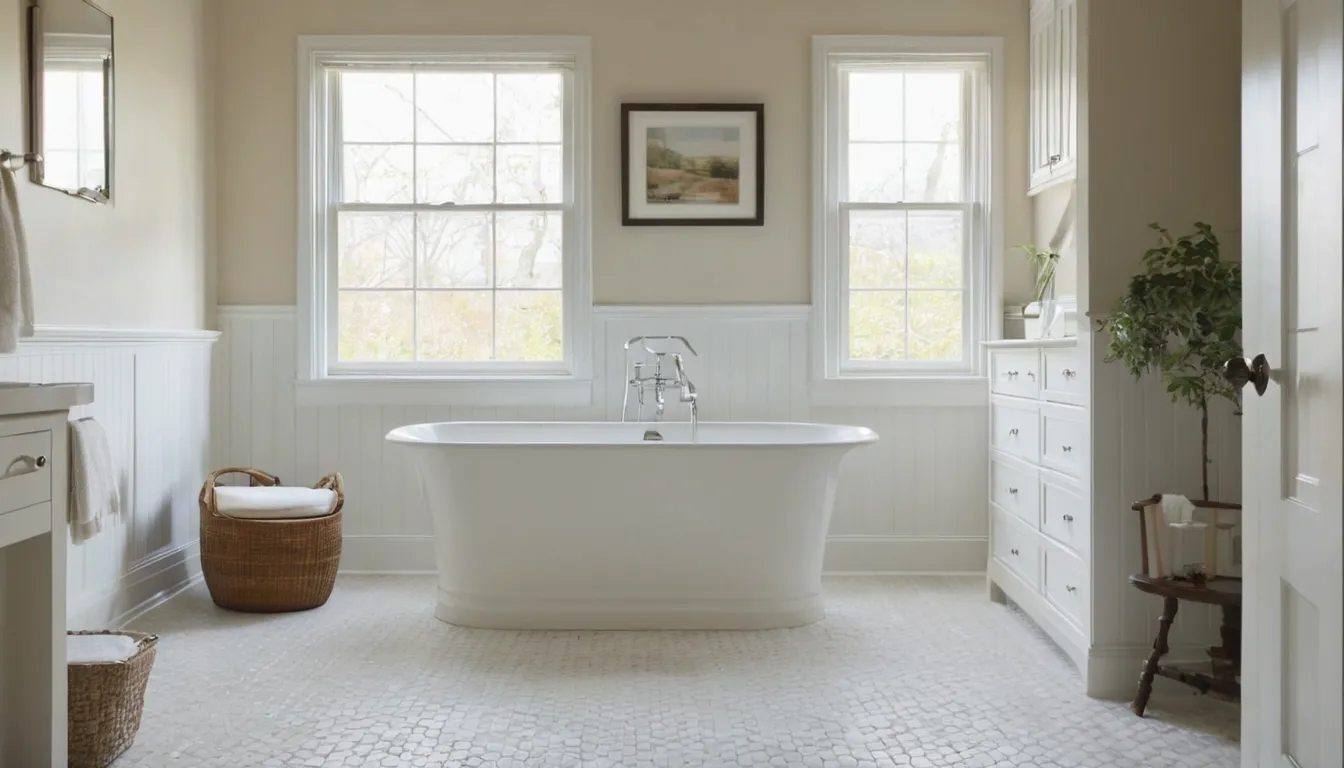
A residential walk-in tub has a low, watertight door, so you step in rather than climb over a high wall. Once inside, you sit on a built-in seat and bathe at a comfortable height. Many homeowners look at senior walk-in tubs after a fall, a surgery, or a scare in the shower. Others simply want a calmer, safer soak.
Gamerandomizer Walk-In Tubs is a referral service, and the providers do the work. It connects you with independent providers in our network, so you can compare estimates, ask questions, and decide on your own schedule. Every home is different, so a written quote matters. This page walks first-timers through features, costs, and what to ask.
Did you slip stepping over the tub wall, or grab the towel bar just in time? Take that seriously. A standard tub asks you to lift a leg over a high edge while standing on a wet, slick surface. A walk-in tub swaps that climb for a low door you walk through.
If bathing already feels scary, start now. Gather a few estimates, and take all the time you need to choose. Many providers can respond quickly, but nobody should rush you. Request a callback to check provider availability in the Nissequogue area.
Tell the doctor first. Then think about the weeks before any new tub arrives. A shower chair, a non-slip mat, a handheld sprayer, and a phone within reach can all lower the risk. These are small steps, and they are worth taking while you compare options.
Picture the person who will bathe here every week. Senior walk-in tubs often suit adults with stiff knees, tired hips, or shaky balance. They also help people recovering from surgery, and anyone who loves a long soak but dreads the climb.
Caregivers like them too. A built-in seat and sturdy grab bars can make helping someone bathe much calmer.
A walk-in tub is not right for everyone, though. If you prefer to stand while you wash, or you use a wheelchair for transfers, a shower may fit better. A good provider will talk through both options honestly.
Here is the part first-timers often miss. You sit down first, close the door, and then the tub fills. When you finish, you wait while it drains before the door opens.
That wait can feel chilly in a cold winter bathroom. Ask about fast-drain models, and keep a warm towel within reach.
Not every extra earns its spot. Start with the basics that protect you, then add comforts.
A soaker is the simple one. It fills, you relax, and there is less to maintain. A jetted model adds water or air jets that many people enjoy for sore joints. A combination offers both.
More features mean a higher price and more cleaning. Jet lines need regular flushing. If you only want safe, easy bathing, a soaker may be plenty. If warm water massage sounds like something you will use weekly, a combination could be worth it.
Most walk-in tubs go where your old tub sits now. The provider measures the alcove, checks the plumbing, and plans the door swing so it does not bump a sink or toilet. Then the old tub comes out and the new one goes in. Many jobs take a few days, though it varies.
Older houses add a few twists:
A safe bathing conversion can also include a new floor, wall panels, or better lighting. Ask for all of it in writing.
This one surprises people. A walk-in tub fills while you sit in it, so you need hot water for the whole fill. In winter the incoming water is colder, so a small tank can run out before you finish.
Ask the provider to check your tank size and how fast it reheats. Some models include an inline heater. Others work well if you upgrade the water heater. Either way, find out before you sign.
These are first-timer questions, and they are good ones. Ask the first-timer questions out loud:
Get the answers on paper.
Compare, then decide. Line the quotes up side by side and check that they describe the same tub, the same features, and the same scope of work. A low number may leave out the plumbing. A high one may bundle extras you do not need.
Look for line items. If a quote is one big figure, ask for a breakdown. Request a written quote and keep every one. You can say "let me think about it" and mean it.
Some policies may cover sudden damage, but a planned tub replacement usually is not that. Check your policy if you are unsure.
Plan a short routine. Run warm water over the seat first, step in, close the door, and then start the fill. Keep a non-slip mat outside the tub, since the floor can get wet when the door opens.
Wipe the door seal now and then and look for wear. Flush jet lines on schedule if you have them. Test the grab bars every so often. After a few weeks, most people say it feels normal.
The person who will use the tub should have the final say. Ask them to sit in a showroom model if possible. Do they feel steady? Can they reach the controls? Can they open the door from inside?
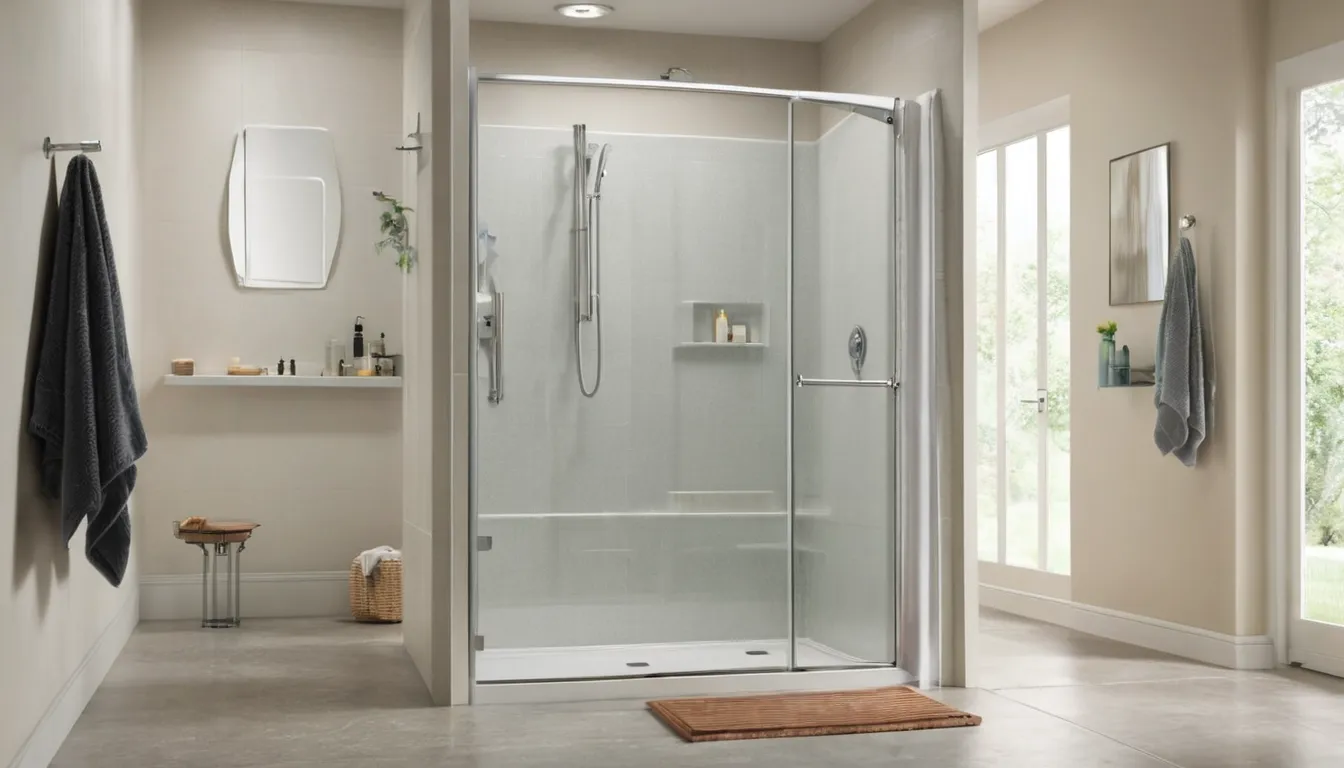
Bring along a family member or caregiver too. A second set of ears helps when estimates get technical. If a shower might suit better, say so. Handicap accessible showers are a different path, and a provider can talk it through.
You do not need every answer today. You just need to start. Step in safely by gathering a few local estimates and reading them calmly, with no obligation.
A watertight door sits close to the floor, so getting in takes a small step instead of a climb.
Bathe seated, steady, and at a comfortable height.
Sturdy grips and a textured tub floor give your hands and feet something secure to trust.
Add water jets, air bubbles, or a heated seat if warm massage sounds like something you will enjoy.
Prices vary a lot by model, home, and the work involved. These are typical U.S. ranges, not quotes. Ask each provider for a written, itemized estimate so you can compare them side by side.
| Item | Typical range | Notes |
|---|---|---|
| Soaker walk-in tub unit | $2,000 – $6,000 | Simplest style, less upkeep |
| Jetted or combination unit | $4,000 – $10,000 | Jets add price and cleaning |
| Installation labor | $1,500 – $5,000 | Depends on access and layout |
| Plumbing and electrical work | $300 – $2,500 | Jets may need a new circuit |
| Old tub removal and wall repair | $500 – $2,500 | Older walls can need more work |
| Extra grab bars and accessories | $100 – $800 | Seat options, sprayers, mats |
Read the basics here, jot down what worries you, and note who will actually use the tub.
Request a callback or use the form to be matched with local providers.
Review written quotes side by side and ask about anything unclear.
Pick a provider when you feel ready, then plan the install around your routine.
Line up estimates from independent providers so you can see differences in price, models, and scope of work.
Request an estimate with no obligation and decide when you are ready.
First-timer questions get simple, short answers, without jargon or sales talk.
Providers in our network know local homes, from older baths to winter water temperatures.
Questions about a walk-in tub or shower? Request a callback to check provider availability, or send a request and compare estimates with no obligation.
No obligationMany older adults find them worth it because the low door, seat, and grab bars make bathing steadier. They cost more than a standard tub, so compare estimates and think about how you bathe.
Many installations take a few days, but it depends on the tub, plumbing, and wall repairs. Ask each provider for a timeline in writing so you can plan around it.
Maybe not. Walk-in tubs fill while you sit, and winter water arrives cold. Ask the provider to check your tank size and recovery speed before you sign.
Questions about a walk-in tub or shower? Request a callback to check provider availability, or send a request and compare estimates with no obligation.
No obligation